Understanding the Role of Cultural Festivals
Cultural festivals have long been integral to community life, often serving as a vibrant gathering point for individuals to celebrate local heritage, arts, and traditions. This article explores the multifaceted role of cultural festivals and their impact on society, informed by research and expert insights.
What Are Cultural Festivals?
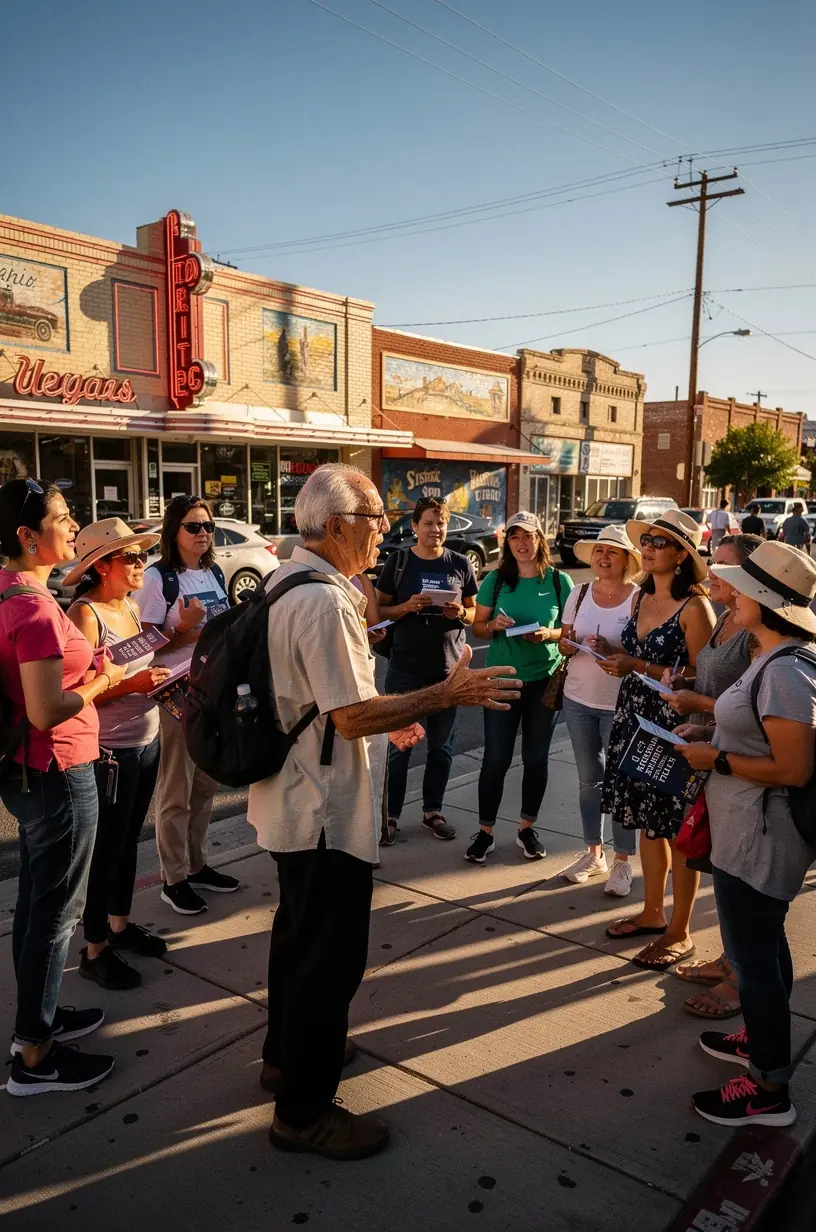
Cultural festivals typically involve a series of events that showcase the unique characteristics of a community, such as its music, food, dance, and art. According to research by the National Endowment for the Arts, festivals can foster community ties and promote cultural exchange.
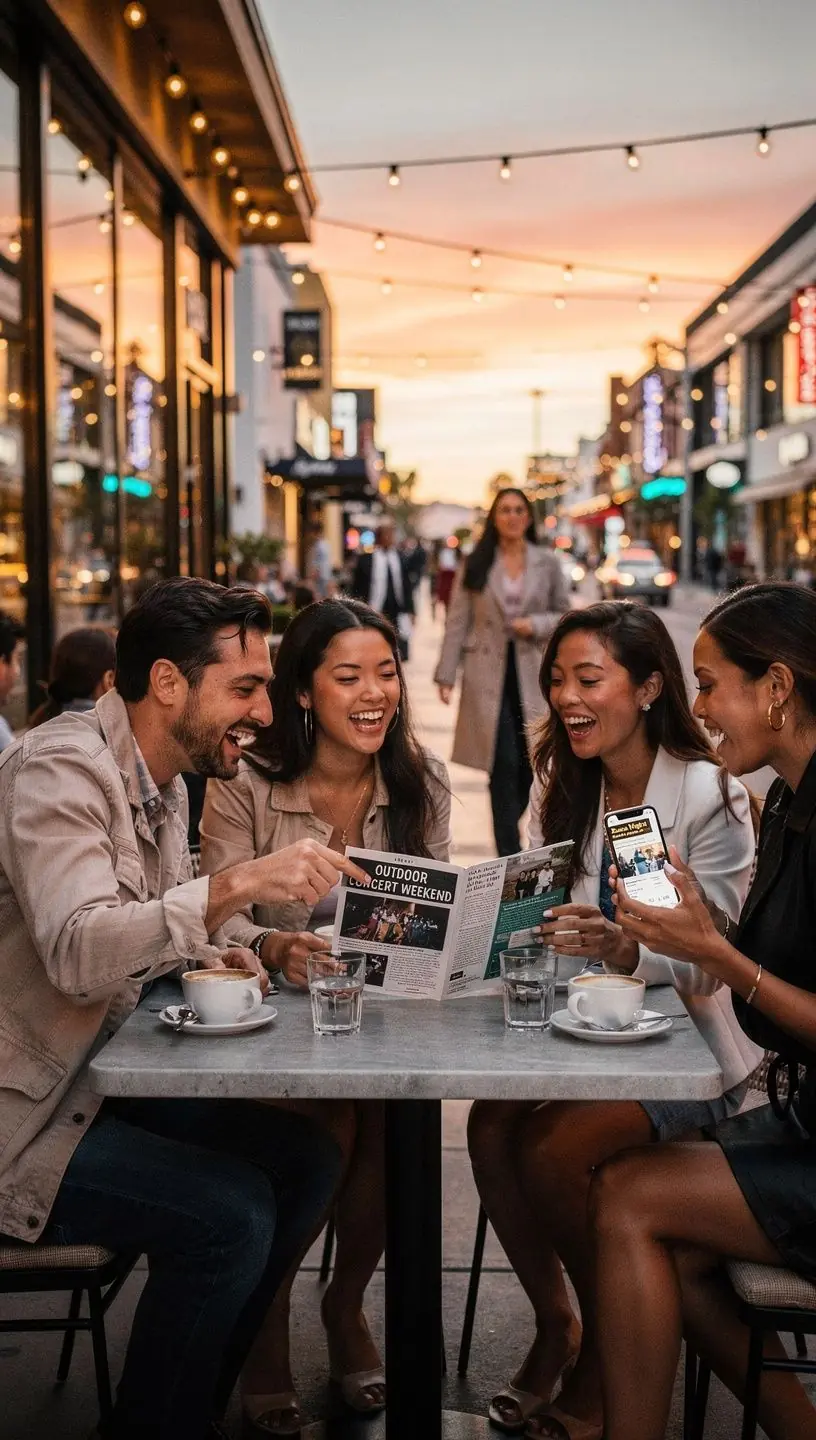
"Cultural festivals often provide a platform for marginalized voices, enriching the community through diverse narratives and experiences." — Arts & Culture Expert
The Benefits of Cultural Festivals
Engagement in cultural festivals offers various benefits, which can be categorized as follows:
- Community Building: Research indicates that participation in local festivals can enhance social cohesion, making it easier for residents to connect and collaborate.
- Economic Impact: According to a study by the American Economic Association, cultural events can stimulate local economies by attracting visitors and boosting local businesses. For example, many towns report increased revenues during festival seasons.
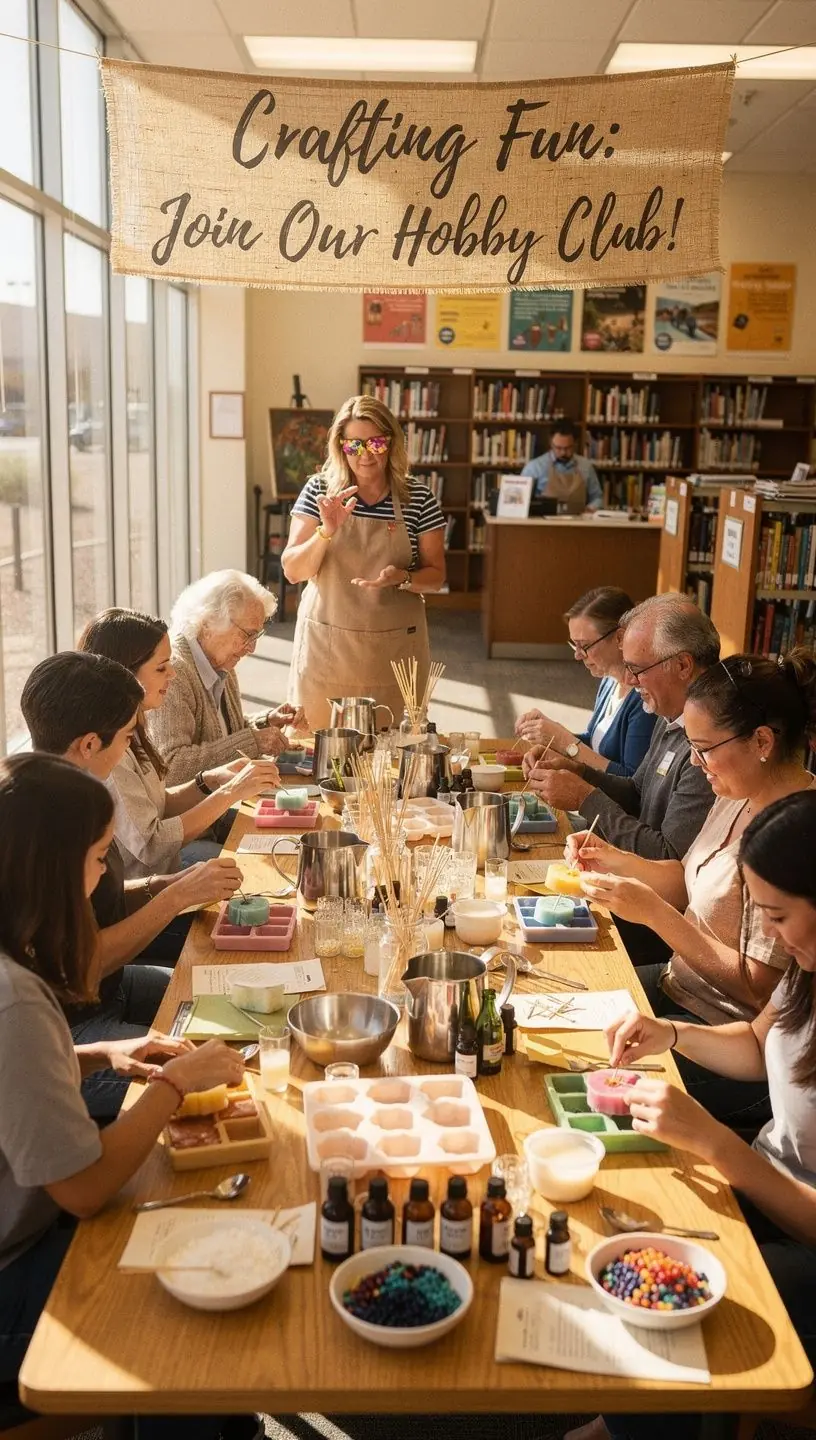
- Educational Opportunities: Many festivals include workshops and presentations, providing attendees with insights into different cultures and practices. Experts recommend integrating educational components to maximize learning experiences.
Challenges Faced by Cultural Festivals
While cultural festivals can offer numerous advantages, they also come with challenges that organizers must address:
- Funding Limitations: Many festivals rely on sponsorship and ticket sales, which can fluctuate year to year. Research indicates that securing funding is vital for sustainability.
- Logistical Issues: Organizing a festival often requires significant planning, including permits, vendor coordination, and safety measures. This process can involve lengthy timelines, typically taking several months to a year.
- Inclusivity Concerns: To be truly representative, festivals must consider how to include diverse voices and perspectives. Experts recommend community consultations to ensure broad participation.
How to Get Involved
Participating in cultural festivals can be fulfilling and impactful. Here are some actionable ways to get involved:
- Attend local festivals to support community efforts and enjoy cultural offerings.
- Volunteer for organizing committees to gain behind-the-scenes experience and contribute to your community.
- Participate in workshops or activities to deepen your understanding of different cultures.
Conclusion
Cultural festivals play a vital role in enriching community life, fostering economic growth, and providing educational opportunities. While they face challenges such as funding and inclusivity, the benefits they offer often outweigh the obstacles. Engaging with these festivals can help strengthen community bonds and promote cultural understanding, making them a valuable component of regional lifestyles.