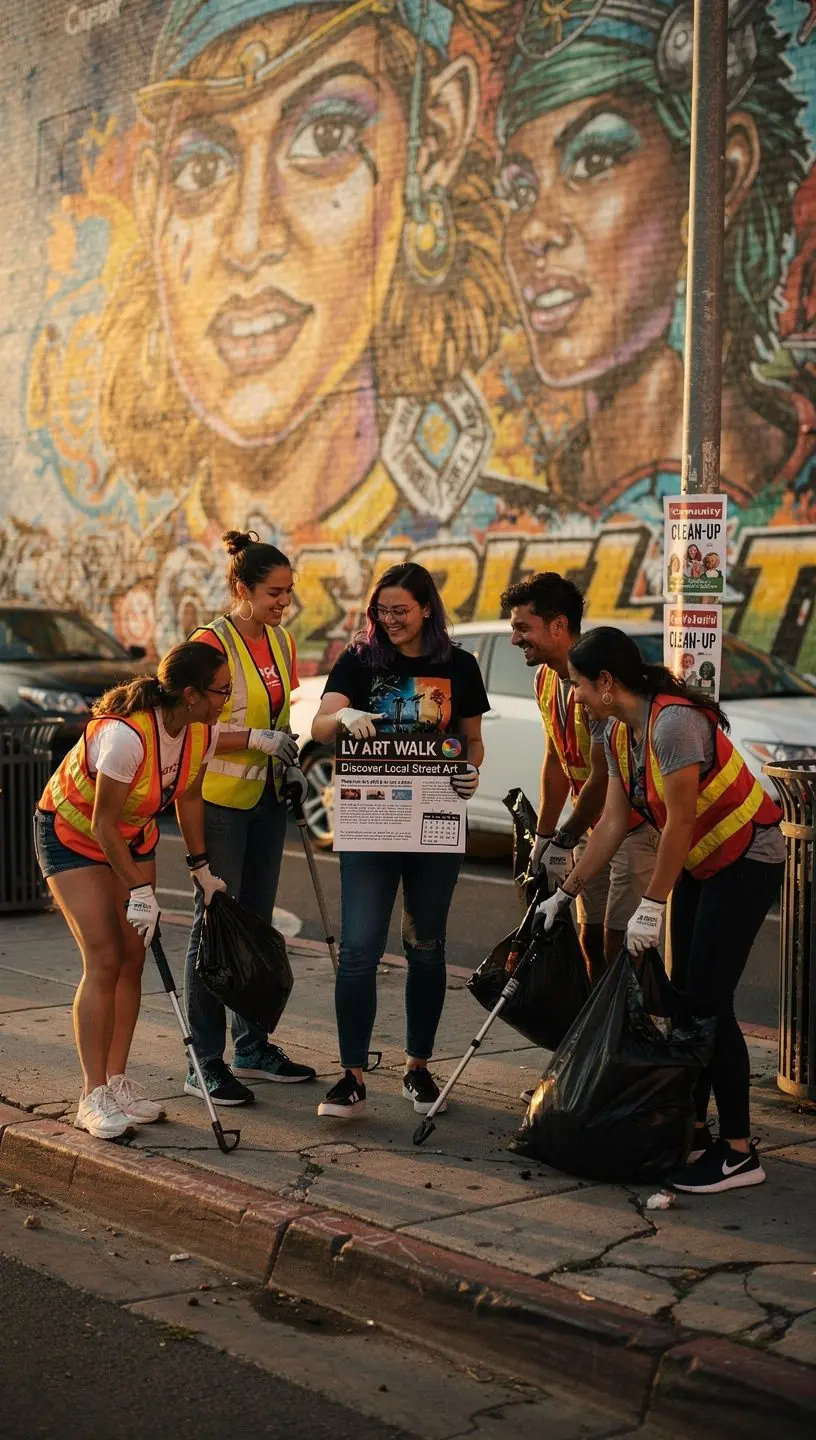
How to Create Meaningful Experiences at Events
In today's fast-paced world, creating meaningful experiences at events is essential for engaging audiences and fostering community ties. This article explores several effective strategies to enhance the quality of your events, drawing on research and expert recommendations.
Understanding the Importance of Experience
According to studies, events that prioritize attendee experience can lead to significantly higher satisfaction rates. Research indicates that when attendees feel engaged, they are more likely to participate in future events and recommend them to others. This not only benefits event organizers but also strengthens community bonds.

"A well-crafted experience can transform a simple gathering into a memorable event that resonates with attendees long after it's over." - Event Planning Expert
Strategies for Creating Meaningful Experiences
Implementing effective strategies can greatly enhance the attendee experience at events. Here are some practical approaches:
- Know Your Audience: Research combined with attendee feedback can help you understand what your audience values. This typically involves surveys or focus groups, which can guide your content and activities.
- Foster Interactive Engagement: Many users report that interactive elements, such as live polls or Q&A sessions, make events more enjoyable. Incorporating technology can facilitate real-time participation, which is often effective.
- Create a Welcoming Atmosphere: The environment plays a crucial role in setting the tone for an event. According to industry standards, a comfortable and inviting space can enhance attendees' willingness to engage with others and participate in activities.
- Incorporate Storytelling: Research suggests that storytelling can significantly impact emotional engagement. By sharing stories that resonate with your audience, you can create connections that deepen their overall experience.
Acknowledging Limitations
While these strategies can be effective, it’s essential to recognize that creating meaningful experiences often requires time and effort. For instance, gathering audience insights can typically take several weeks, and implementing interactive technologies may involve a learning curve. Understand that not all strategies will work for every event; tailoring your approach to fit your audience is crucial.
Conclusion
In summary, creating meaningful experiences at events involves understanding your audience, fostering engagement, and being mindful of the environment. While there are no guarantees of success, employing these strategies can significantly improve the attendee experience. By prioritizing educational value and actionable insights, you can ensure that your events are not only enjoyable but also impactful for your community.