Exploring the Historical Significance of Regional Celebrations
Regional celebrations are more than just fun events; they play a crucial role in preserving cultural heritage and fostering community spirit. This article discusses the historical significance of these celebrations and their impact on local lifestyles.
Understanding the Role of Regional Celebrations
Regional celebrations, often rooted in local traditions, serve as a platform for communities to come together and honor their history. According to cultural studies, these events can enhance social cohesion by bringing people of diverse backgrounds together in shared experiences. Understanding the historical context behind these celebrations can deepen appreciation for their meaning and significance.
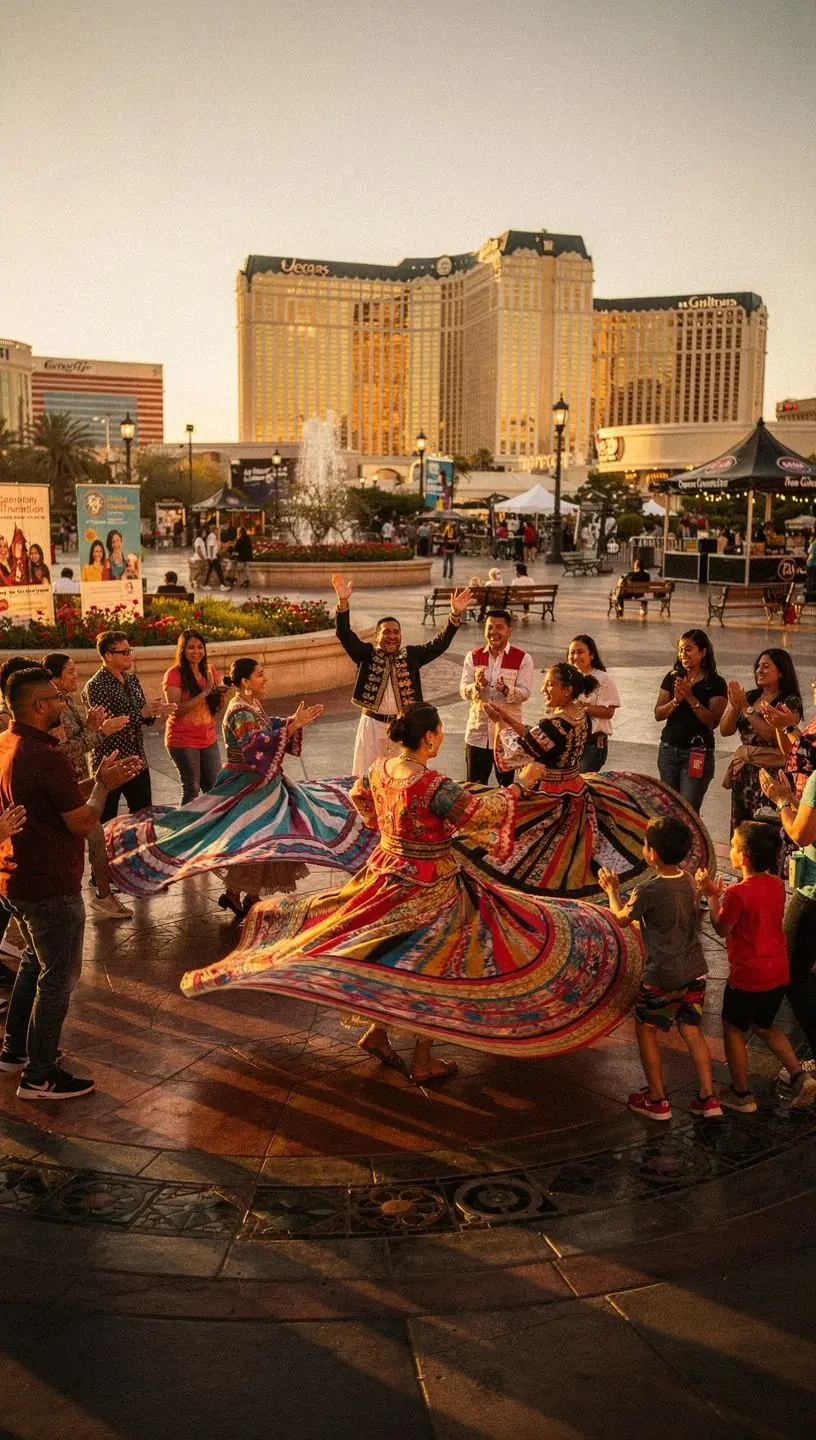
"Cultural celebrations are vital for maintaining community identity and continuity, acting as a bridge between generations." - Cultural Anthropologist
Common Themes in Regional Celebrations
Many regional celebrations reflect common themes that echo the region's history and culture. These typically include:
- Harvest Festivals: Celebrating the agricultural heritage, these festivals often showcase local produce and traditional cooking methods.
- Historical Commemorations: Events that honor significant moments in history, allowing communities to reflect on their past.
- Art and Music Festivals: These events promote local artists and musicians, preserving traditional forms of expression.
How Regional Celebrations Educate and Engage
Experts recommend that participation in these events can lead to increased community involvement and awareness of local issues. For example, engaging with the history behind a celebration can foster a sense of pride and responsibility in preserving cultural heritage. This involvement often requires:
- A willingness to learn about local customs and practices.
- Dedication to participate actively, which can enhance personal connections within the community.
- A commitment to sustaining these traditions, which may include volunteering, organizing, or simply attending.
Conclusion
In conclusion, regional celebrations are rich in historical significance and provide invaluable opportunities for education and community engagement. Participating in these events not only honors local traditions but also strengthens the fabric of community life. While the commitment can vary, the rewards of understanding and participating in local history are profound. Engaging with these celebrations may help foster greater appreciation for the diverse and vibrant culture that defines our regions.