Understanding Local Music Festivals and Their Origins
Music festivals have become a staple of local culture, bringing communities together to celebrate various musical genres. This article explores the origins of these festivals, their significance, and how they have evolved over time, particularly in the context of Latvia.
The Historical Roots of Music Festivals
Music festivals can be traced back to ancient times when communities gathered to celebrate seasonal changes, agricultural harvests, and religious ceremonies through musical performances. According to research, these early festivals were vital for cultural expression and social cohesion.
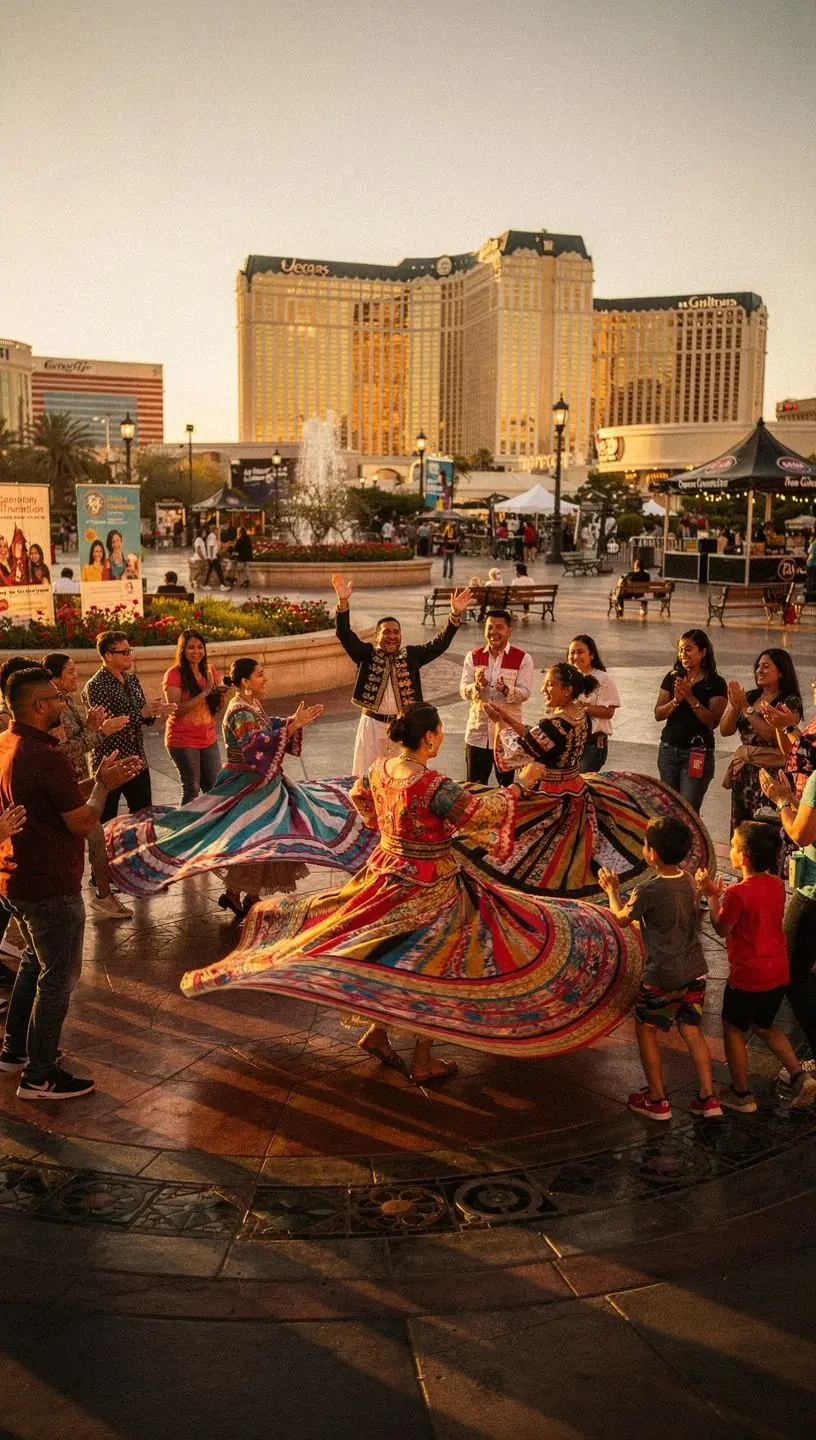
"Festivals are not just about music; they represent a community's identity and values."
The Evolution of Music Festivals
As societies evolved, so did music festivals. They became more organized and commercialized, especially during the 20th century. For instance, the iconic Woodstock Festival in 1969 is often credited with ushering in the modern era of music festivals. Studies show that music festivals can significantly boost local economies by attracting tourism and fostering a sense of belonging among residents.
The Impact on Local Communities
Local music festivals often provide a platform for emerging artists, giving them exposure and opportunities to connect with audiences. This is particularly relevant in Latvia, where festivals like Positivus have showcased local talent alongside international acts. Industry experts suggest that such events help preserve cultural heritage while promoting the local music scene.
Understanding the Logistics Behind Festivals
Organizing a music festival involves meticulous planning and coordination. Typically, this includes:
- Venue Selection: Choosing an accessible location that can accommodate the expected crowd.
- Line-up Curation: Selecting a diverse mix of artists to appeal to various audiences.
- Permitting and Regulations: Navigating local laws to ensure compliance and safety.
Each of these aspects requires a substantial investment of time and resources, often taking months or even years to finalize.
The Role of Community Engagement
Many successful festivals thrive on community involvement. Organizers often work closely with local businesses, volunteer groups, and cultural institutions. This collaboration can enhance the festival experience and foster goodwill among residents, as local sponsors support the event financially or through services. Experts recommend engaging with the community early in the planning process to build a sense of ownership and pride.
Challenges Faced by Organizers
While music festivals can be rewarding, they also come with challenges:
- Weather Dependence: Outdoor events are often at the mercy of unpredictable weather, which can impact attendance.
- Financial Risks: High upfront costs can be daunting, and poor ticket sales may result in losses.
- Logistical Hurdles: Coordinating transportation, security, and facilities can be complex.
These factors mean that while many festivals succeed, others may not meet their goals.
Conclusion
Understanding the origins and evolution of local music festivals can deepen our appreciation for these vibrant cultural events. By recognizing the efforts behind their organization and the community spirit they foster, we can support and enjoy these celebrations responsibly. Whether you are a festival-goer or an aspiring organizer, engaging with local music festivals enriches not only your experience but also the community’s cultural landscape.
Learn More